 Skip to content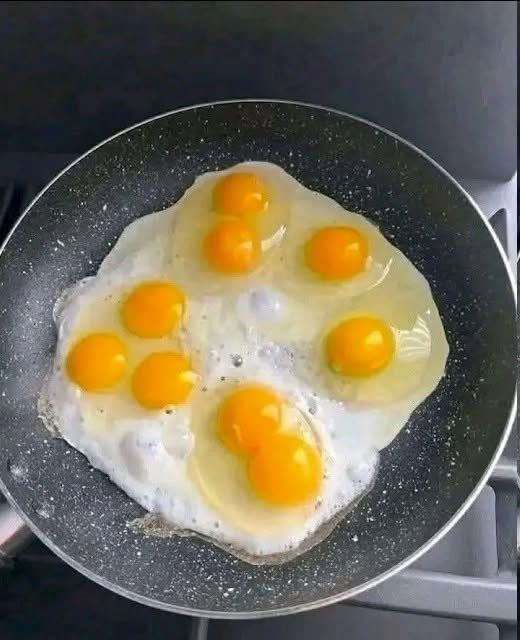
The Science of Double-Yolk Eggs: Odds, Causes, and Cooking Tips
Cracking open an egg to reveal two vibrant, side-by-side yolks is a delightful kitchen surprise that often feels like winning a mini-lottery. Photos showing pans filled with double-yolked eggs regularly trend across social media, sparking curiosity about how rare these eggs actually are and why certain cartons seem to contain so many of them.
In this guide, we dive into the poultry science behind double-yolk eggs, calculate the statistical odds of finding one, explain why young hens produce them more frequently, and share culinary tips for cooking with multiple yolks.
What Causes Double-Yolk Eggs?
A double-yolk egg occurs when a hen’s reproductive system releases two yolks (ova) in rapid succession into the oviduct during ovulation.Key Biological Factors:
- Young Hen Hormones: Double yolks are most common in young hens (pullets) that are just beginning their egg-laying cycle. Their hormonal systems are still maturing, which occasionally causes synchronized or double ovulations.
- Older Hen Ovulation: Less frequently, older hens toward the end of their peak laying years may also experience reproductive irregular cycles that result in double yolks.
- Genetics and Breed: Certain chicken breeds are naturally more prone to hyper-ovulation, leading to higher rates of double-yolked eggs.
Leave a Reply